Should I get a dog to help my special needs child?
Many parents of children with a disability ask themselves one of the following questions: “Would a dog help our family?” “Should we get an emotional support animal?” “Should we get a service dog?” “Where would we even get a service dog?” If this is you, read on.

What is the difference between a service dog and an emotional support dog?
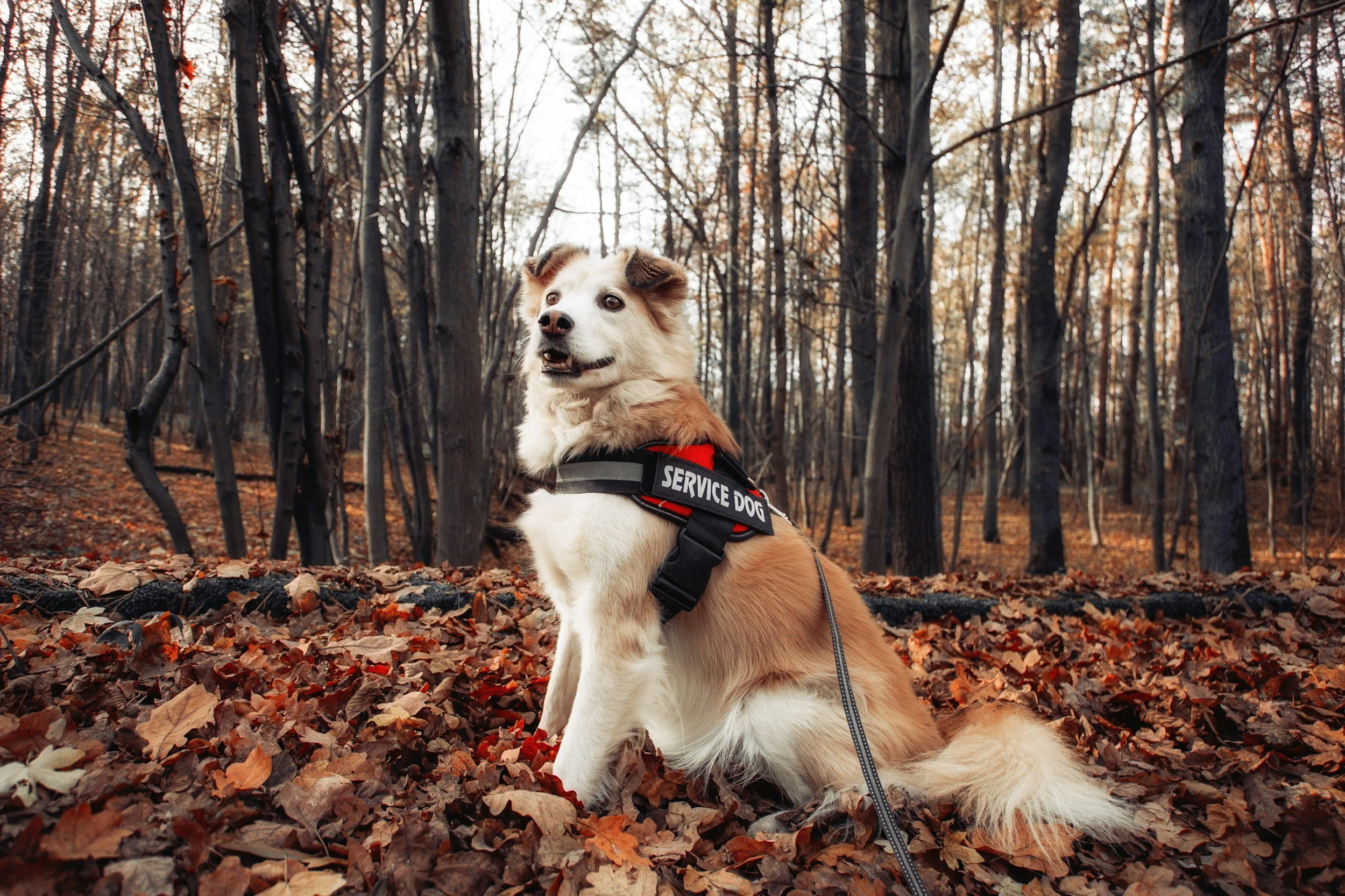
First, you should know the difference between a service animal, and an emotional support animal. A service animal is trained to help one single person, and has one handler who issues commands. Sometimes the handler is also the person the dog is trained to help, but in the case of a disabled child, the handler is more likely to be one of the child’s caregivers. A service animal is legally allowed into most places as it is considered to be necessary medical equipment, and must go through rigorous training to be certified. A service dog has special tasks that it is trained to do, such as guiding a blind person, assisting during a seizure, or alerting its handler that a child has low blood sugar. Service animals have broader access rights and are allowed to accompany their owners in most places, unless their presence would compromise an environment, such as sterile operating rooms. Business owners are allowed to remove a service animal that is out of control, threatening property damage or injury, or not potty trained.
An emotional support animal, or ESA, is a pet that is generally understood to help its assigned human alleviate the symptoms of an emotional or mental disability, and to provide comfort and companionship. The Fair Housing Act and Section 504 of the Rehabilitation Act require housing providers to accommodate ESA’s, regardless of pet policies, although there are occasional exceptions. If the animal poses a direct threat to the health or safety of others, or if allowing the animal would cause undue financial or administrative burden, a landlord may deny the request. In most cases, ESA’s are exempt from pet restrictions and related fees. ESA’s are also not guaranteed access to public transportation, and you should check with the transportation provider ahead of time to check. The Americans with Disabilities Act (ADA), does not offer access rights to ESA’s, limiting service animal status to trained dogs and miniature horses. As of 2021, the Air Carrier Access Act (ACAA), excludes ESA’s from its service animal category, thus allowing airlines to treat ESA’s as pets. In Colorado, the state does not require proprietors of businesses to allow ESA’s, although many businesses do allow them. As with service animals, business owners can remove you and your ESA if it threatens others, has an accident indoors, or acts out of control.
Please note that passing off a pet as an ESA can result in a fine. ESA’s require a valid ESA letter.
How to get an ESA letter? While many therapists offer this service, I do not. I recommend going to Pettable.com or talking to your primary care physician.
What kinds of disabilities can a service dog help with?
Many kinds of circumstances can be helped via a service dog, including, but not limited to: PTSD, autism, diabetes, seizures, blindness, diabetes, panic attacks, schizophrenia, alerting to take medication, mobility assistance, wheelchair assistance, alerting for allergen for those with severe allergies, and hearing alerts.
Where can I get a service dog?
There are many organizations that specialize in breeding and/or training service dogs. Many of them have a niche in either supporting Veterans, the blind, or otherwise disabled individuals. Many organizations have a 2-7 year waiting list due to the time it takes to train the dogs, so if you are considering this route, you should apply right away. You should also be aware that these programs often require owner training as well. I recommend doing an internet search of service dog programs in your state/country, and asking for recommendations in any groups you are in where others might have experience (such as a Veteran group, or a facebook group for families with disabilities.)
How much do service dogs cost?
Service dogs typically cost anywhere from $15,000+. Many people create fundraisers to help cover the cost. Occasionally, there are organizations that offer service dogs for free, but the demand for them is incredibly high.
Can I get a puppy from a shelter and train it to be a service dog?
No. Because of the rigorous demands required of a service dog, these dogs almost always require planned breeding from a line known for its service dog ability. Not every breed is suited for this particularly job. However, it is possible to have a shelter dog become an ESA, but make sure it is potty trained, is not a threat to people or property, and has some basic training down. I can also tell you from experience, that shelters are not always accurate in guessing the breed of a dog, and often do not know the history of the animals in their care.
Should I get a service dog?
Only you and your family can decide this, but some questions to consider include:
Can I financially afford caring for an animal, including its food, bedding, equipment, and vet care, even once it is old?
Who would be the designated handler? The handler is the one issuing the commands to the dog. Sometimes it is the disabled individual, and sometimes not.
Can I exercise the dog and routinely clean up after it?
Is anyone in the household allergic to dogs?
Do I have the time to dedicate to taking care of a pet?
I hope this article was helpful. If you are looking for a disability-aware and neuroaffirming therapist in Colorado, I’d love to connect! I hope today feels like a hug.
Sincerely,
Angela
